5 B2B Influencer Marketing Examples That Go Beyond Pay-Per-Post
Great B2B influencer marketing means doing more than just paying a creator to post about your product.
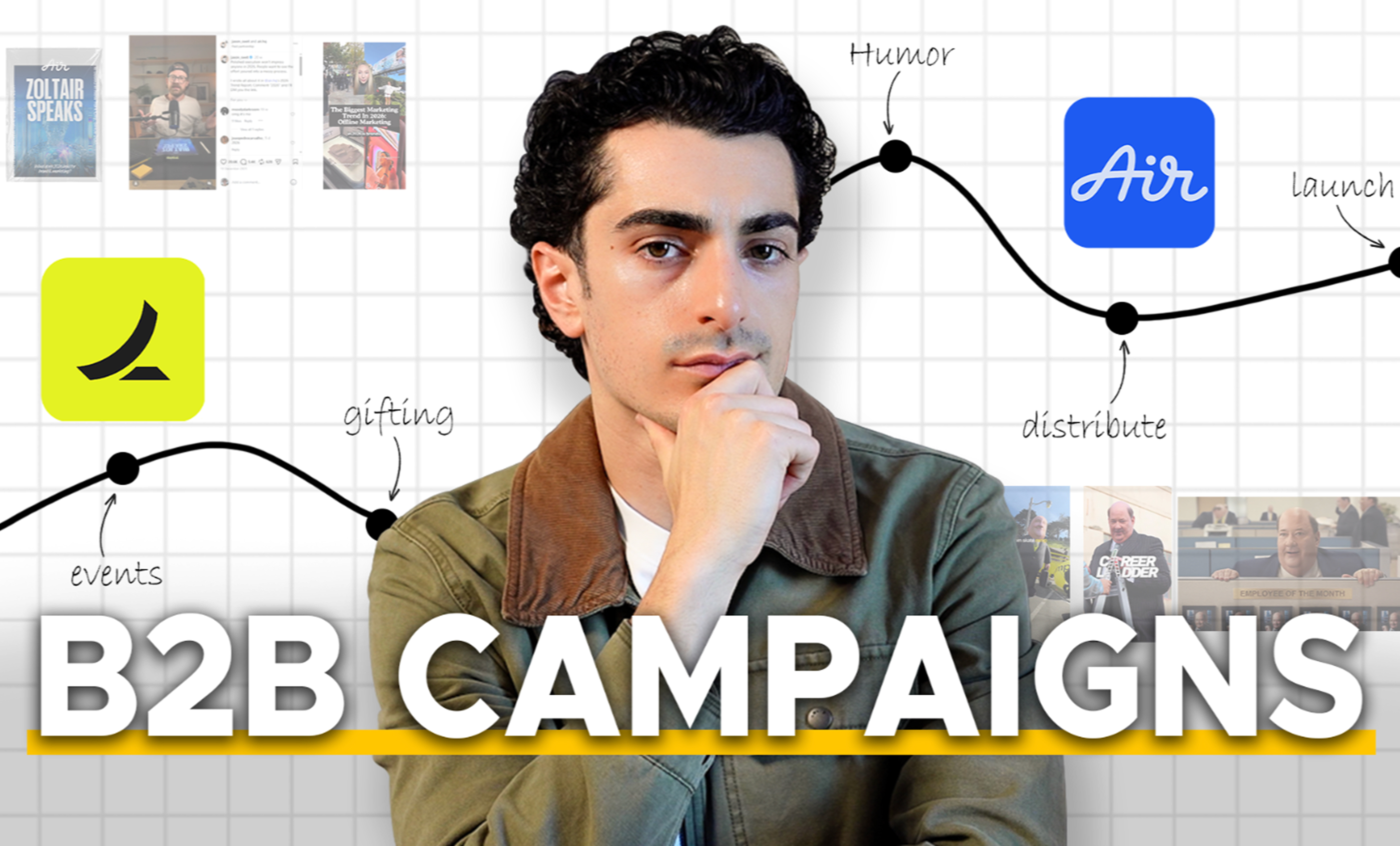
Great B2B influencer marketing means doing more than just paying a creator to post about your product. Most tech companies follow the same basic playbook: find a creator, negotiate a rate, send the brief, have them post. That works to a degree, but there's a lot more you can do when you actually think creatively about how to partner with creators. Here are five campaigns that show what B2B influencer marketing looks like when brands go beyond the standard pay-per-post model.
1. Air – White Paper Distribution
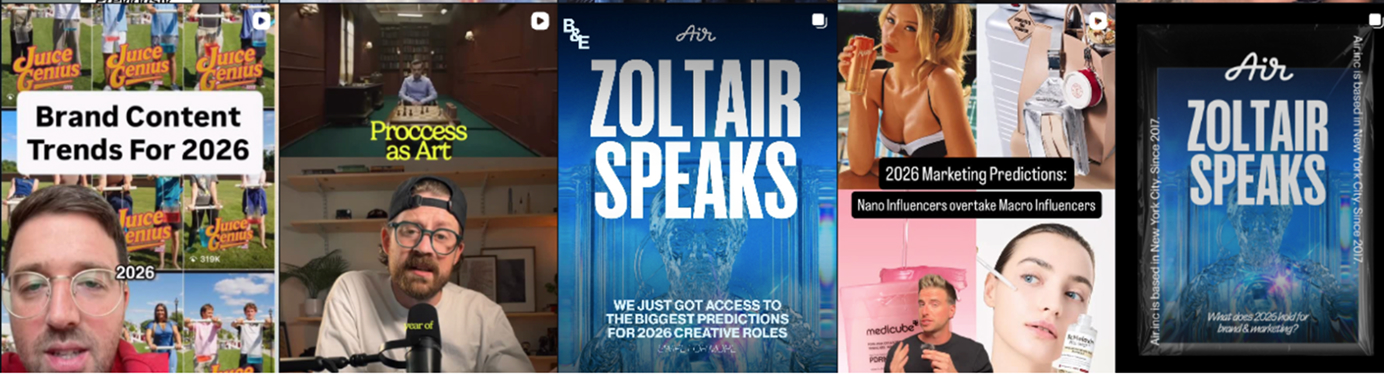
Air is a creative operations platform, and at the start of this year they released a 2026 trend report. The classic B2B move is to create a white paper, hope people download it, and pass those leads to sales.
The problem? Nobody wants to read a dense white paper. The content might be great, but getting people to actually consume it is a whole other challenge.
So instead of just blasting it out through email and ads, we helped Air source four creators to be part of the report itself. Each creator contributed a prediction for 2026 and then made a video diving deeper into their take. At the end of each video, they used ManyChat automation to have viewers comment “Air” or “2026” to receive the full report.
This led to nearly 700,000 impressions, over 9,500 comments, and 6,200 leads. For a white paper.
On Instagram. Most people don't think of Instagram as a B2B platform, but getting in front of the right audience through the right creators is sometimes all it takes.
2. Ramp – Event Activation
You've probably seen Ramp's Super Bowl campaign by now. They hired Brian Baumgartner (Kevin Malone from The Office) as their spokesperson. The commercial, built around the tagline "Multiply What's Possible," was funny, on-brand, and got the value prop across clearly.
But Ramp didn't stop at the commercial.
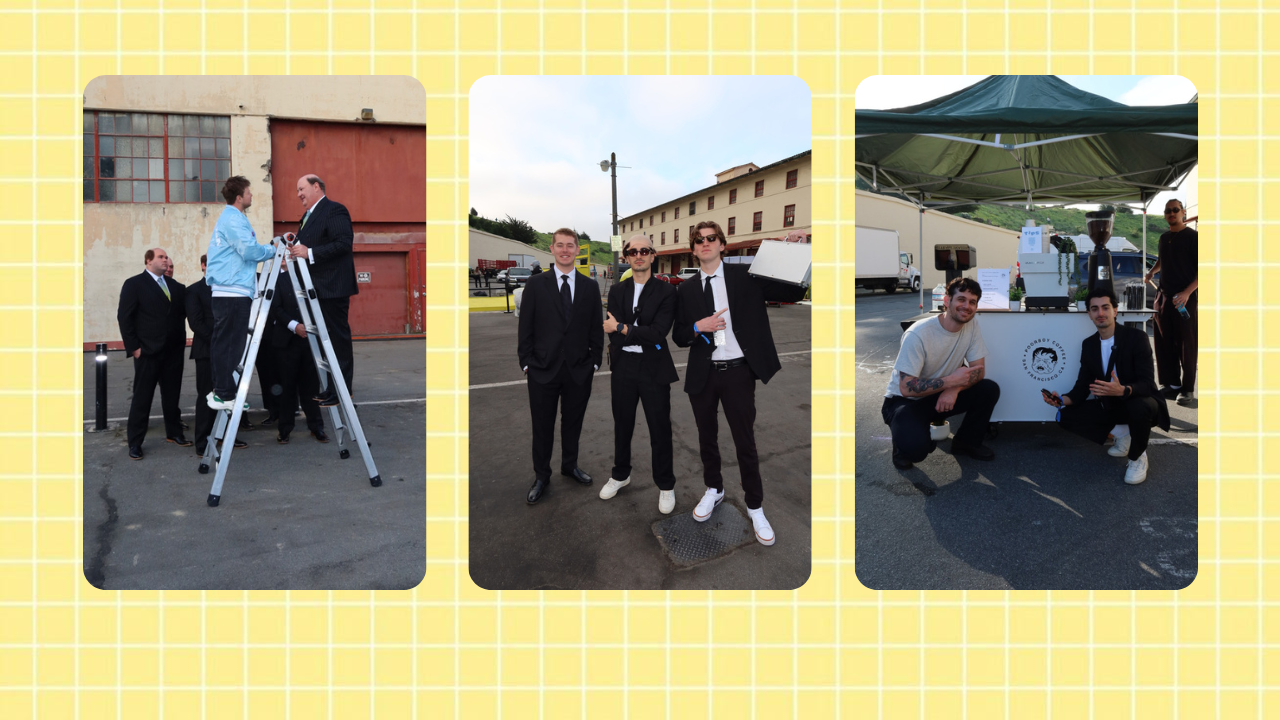
They noticed the lookalike contest trend picking up and decided to throw their own Super Bowl tailgate with a Kevin Malone lookalike contest. Hundreds of attendees showed up in bald caps and suits, hoping to win the prize of attending the Super Bowl with Brian Baumgartner himself.
We helped source four creators to attend the tailgate. When you're sending creators to an event, three parts should be considered:
Pre: Can you get people excited about the event before it happens?
During: Is there an activation happening during the event?
Post: Can they create content after the event that extends the shelf life of the activation?
For this one, we brought in Max Klymenko, who runs the Career Ladder series where he stands on a ladder with a guest and has to guess their career in under two minutes. We had Brian come on the show and got over 17 million views across Instagram, TikTok, and YouTube.
We also brought in Poorboy Coffee, a small SF-based business and creator.I always tell B2B marketers that if you need a vendor for an event (e.g. food, photographer, musician), try to find someone who also has an audience. That way, you get a service and content distribution.
Ramp bought 525 coffees from Poorboy. He set up a tent and served them lattes with Brian's face printed on each one, and then posted a recap video about the experience.
3. Slate – Gifting
When you picture a gifting campaign, you usually think of a company sending their product to lifestyle creators. The creators film an unboxing, show off the product and generate interest.
But how do B2B tech companies do this? Since there’s nothing physical to send, most brands default to corporate swag. Nobody wants that. Creators won't post about it. It just creates waste.
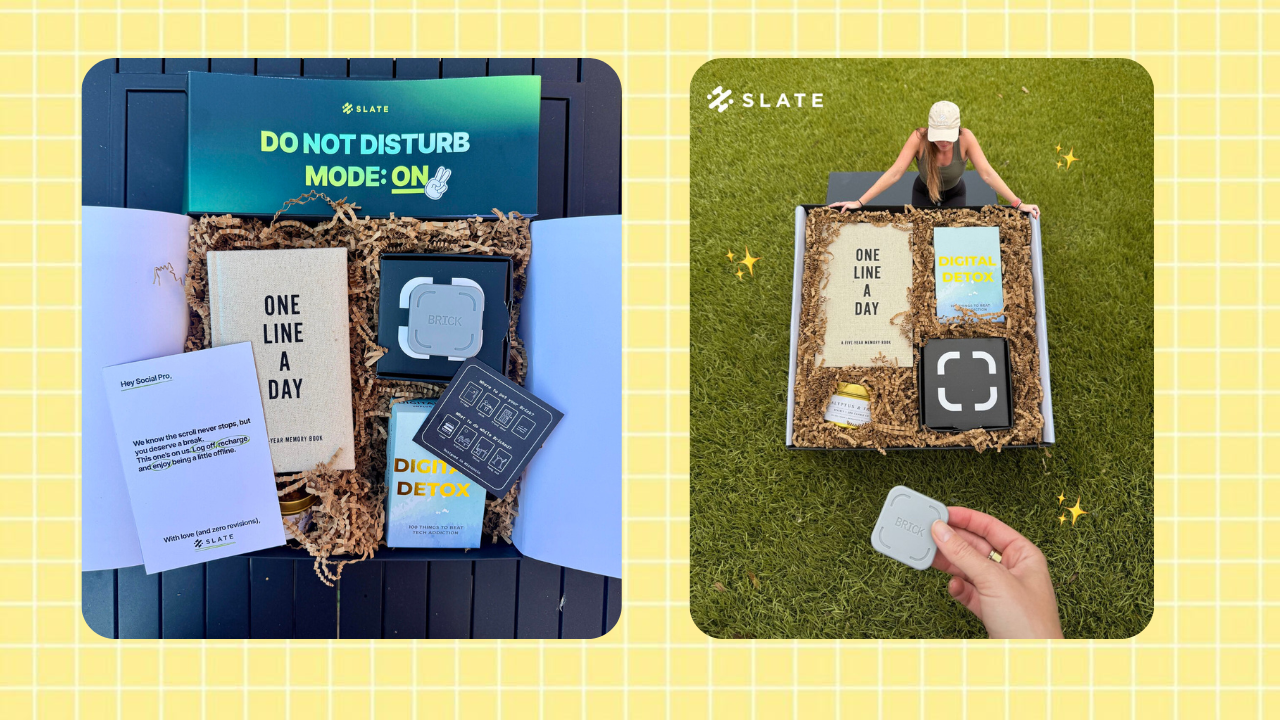
We took a different approach with Slate, a new social media tool competing against giants like Adobe and Canva. Their target audience is social media managers. This is a job that requires constant screen time and can easily lead to burnout. We leaned into that pain point and sent 15-20 social media managers a digital detox kit: a Brick that physically locks your phone, a journal, detox tea, and a few other things to help them unwind and disconnect.This spoke directly to their day-to-day reality without going deep on the product itself. Plus, it helped land the message: Slate helps you spend less time editing so you can spend less time on your phone. We had some big names receive the kit, including Zaria, the creator behind the Duolingo mascot.
Over 90 days, the campaign drove 1.3 million impressions on LinkedIn, 60+ demo requests, and engagement from target accounts like Tractor Supply Co., Dude Perfect, Nestlé, Yahoo, C4 Energy, and Tubi.
4.Tavus – Product Launch
Sometimes the goal isn't brand awareness or lead generation. It's getting people to actually understand what your product does.
Tavus builds AI avatars, and they launched a consumer product called PALs: a personal AI avatar that learns your facial expressions, remembers conversations, texts you reminders, and basically acts like a friend/assistant.
We partnered with AI-focused creators and had them actually use the product on camera, showcasing real conversations and real text exchanges. The creators also used ManyChat automation, where viewers could comment "PALs" and receive the link to try it out.
A few videos went viral, and we drove the most signups in Tavus's history outside of their actual launch day – over 400 in a single day. The posts generated over 250,000 views with an average $77 CPM.
5. Storylane – Corporate Humor
Corporate humor creators are on the rise. Every time I open LinkedIn or Instagram, I see a new account poking fun at office culture, sales processes, Slack etiquette, etc.
These types of accounts can be an extremely valuable part of an influencer campaign. That’s because they sit at the top of the funnel. They can reach a broad corporate audience and spread awareness at mass, without focusing on the specific niches you see lower down the funnel.
Storylane is a scrappy startup competing against bigger, better-funded players. They modernize the sales process by letting prospects see a demo on demand, instead of having to navigate sales conversations just to see the product.
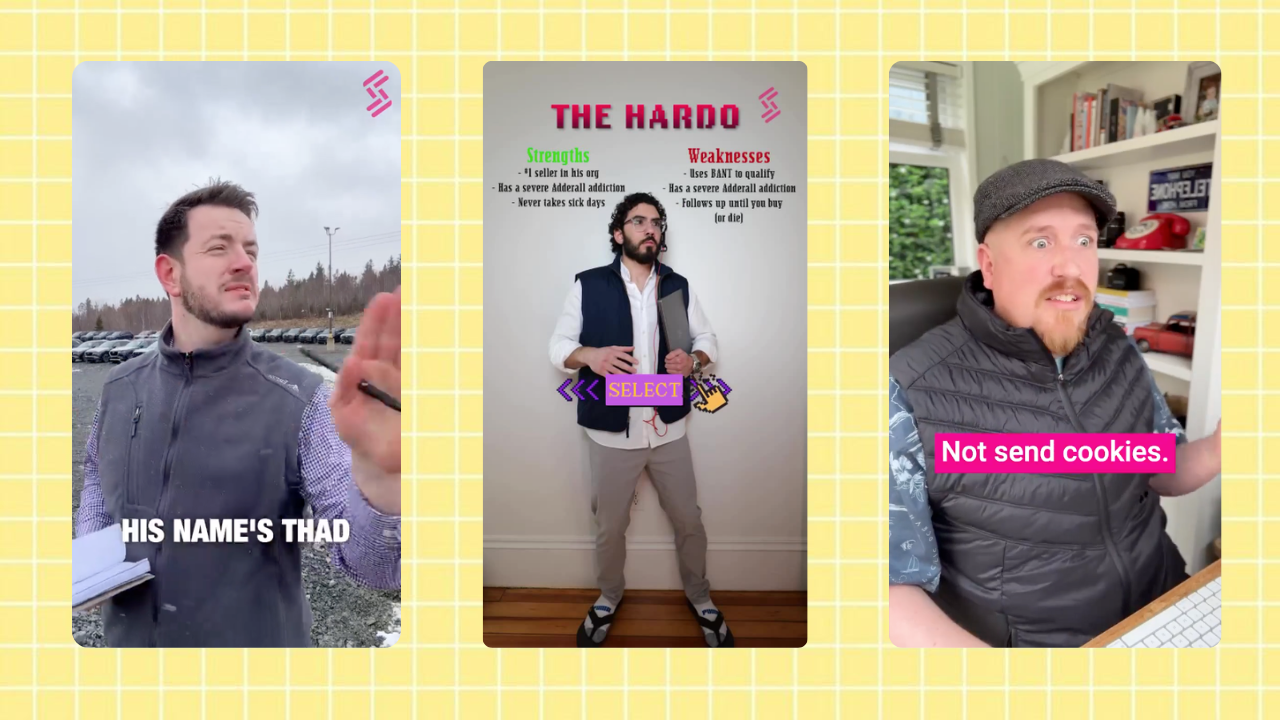
We partnered with corporate humor creators with sales backgrounds to poke fun at exactly that problem. Our most viral video was with a creator named Will Aitken who compared the old sales process to trying to buy a car. His premise was essentially: Imagine you walk into a dealership, you want to test drive a car, and the salesperson says, "Sure, I can schedule you for a test drive in three weeks."
That video went mega-viral, particularly on Linkedin.
The campaign drove 3.3 million impressions on a $30 CPM over six months. Storylane's team reported that the influencer program performed 3x better than their LinkedIn thought leadership ads, and that 50% of their pipeline came from their LinkedIn efforts during that period.
The Common Thread
While these five campaigns all had different strategies, they share the same principle: simply buying influence isn’t enough.
B2B companies need to create real value for their audiences and earn influence through relationship-building and authentic collaborations.
At Creatorbuzz, we help B2B companies partner with the right creators for their brand, and build campaigns that connect with their audience. To get started, join our network today.
More articles